
What the New Food Waste Mandates Mean for Food Businesses
Food Waste is no longer just an environmental issue; it’s becoming a key business consideration. With New South Wales introducing new food waste requirements, many businesses will need to rethink how they manage food waste and prepare for changes to the way waste is separated and collected.
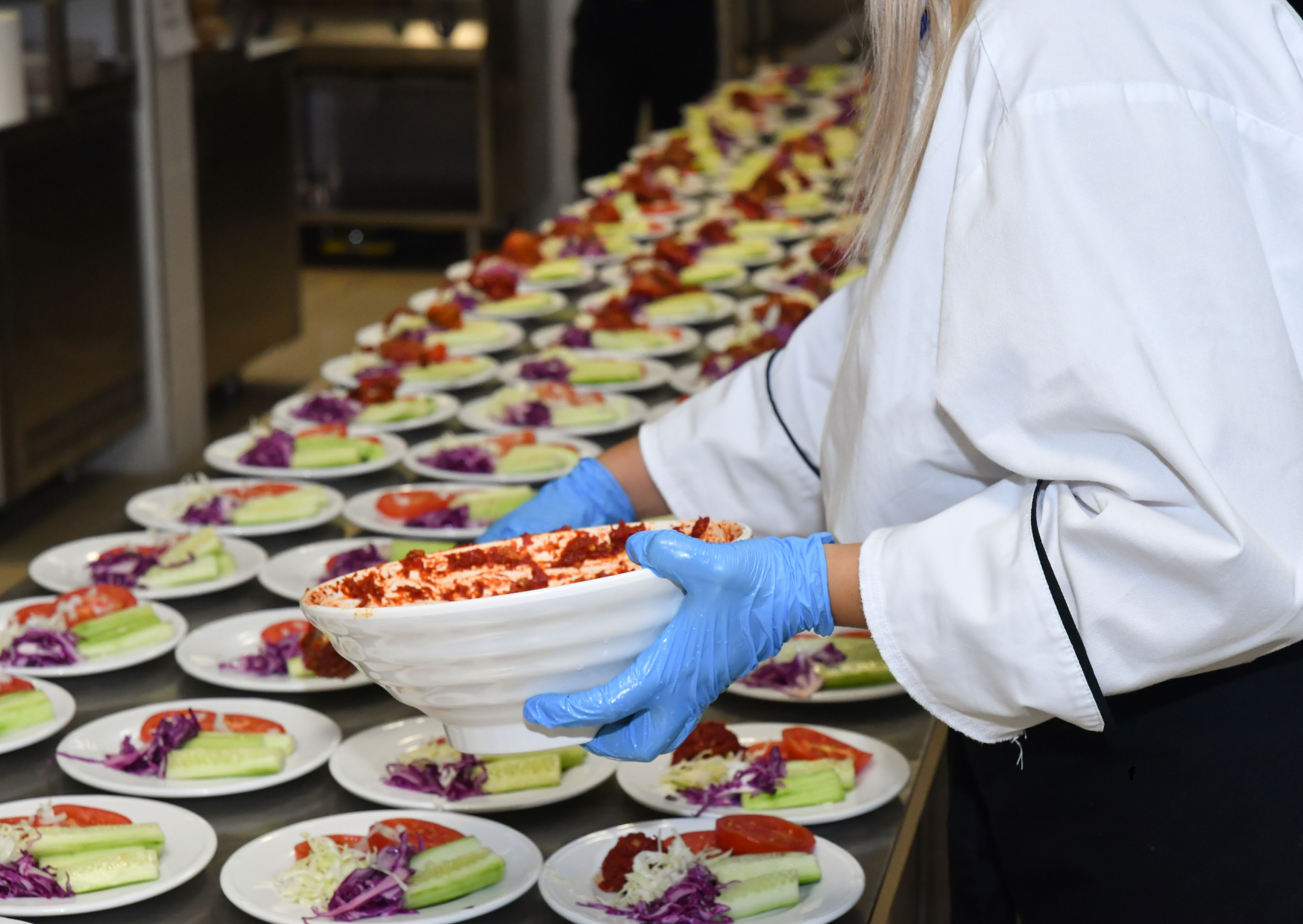
Whether you run a cafe, restaurant, pub, club, aged care facility, or other food service business, understanding these new mandates now will help make the transition smoother and may even save your business money.
What are the new food waste mandates?
The NSW Government is introducing legislation that requires many businesses to separate food waste from general waste. The changes aim to reduce the amount of food waste ending up in landfill, where it produces methane – a potent greenhouse gas that significantly contributes to climate change.
Under the new requirements, eligible business will need to:
- Separate food waste from general waste.
- Use a dedicated food organics collection service where available
- Continue recycling other materials correctly
- Work towards improving waste management practices across their operations
This legislation is being introduced over several years, giving businesses time to prepare before the requirements take effect.
Why is it important to separate food waste?
Separating food waste delivers benefits for both businesses and the environment
- Food waste makes up a significant portion of the general waste generated by food businesses. Diverting it from landfill reduces pressure on waste facilities and helps create a more sustainable waste system.
- When food waste decomposes in landfill without oxygen, it releases methane. Separating food waste allows it to be processed into valuable products such as compost instead of contributing to greenhouse gas emission.
- Reviewing food waste can also highlight opportunities to reduce over-ordering by customers, improve stock management and minimise avoidable waste. Many businesses find that reducing food waste leads to lower disposal costs and improved operational efficiency.
- Starting to separate food waste now will help businesses become familiar with new processes before the mandates come into effect, making compliance easier in the future.
Riverina and Murray Joint Organisation (RAMJO) is here to help
To support local businesses through these changes, RAMJO is delivering free Food Waste Workshops across the region.
These practical workshops will help businesses:
- Understanding the new food waste legislation
- Learn simple ways to separate and manage food waste
- Identify opportunities to reduce waste and save money
- Ask questions and receive practical advice to tailored to their business
Whether you’re just starting to think about food waste, or already have systems in place, the workshops provide useful information to help your business prepare.
Visit RAMJOs website for upcoming workshop date and locations Food Waste – RAMJO Riverina & Murray Joint Organisation
By taking action now, your business can stay ahead of the new requirements while contributing to a cleaner, more sustainable future for our region.
For more information on the NSW Food Waste Mandates, visit Business food waste | EPA
Ready to see what the network can do for your business?
Join the network and explore the Materials Mapping portal and connect with other businesses.

Most popular
Don’t miss what’s next
New articles, case studies, and practical guides — delivered to your inbox.
Discover more
Never miss what's next
Sign up to our mailing list to stay connected on events and news from Circular Connect

See who's already in the region
Join the map directory and browse other businesses

Learn more
Explore what other businesses have achieved and learn more about the circular economy


