
Emma Avery
RAMJO Circular Economy Program Lead
Industry Insight
That’s the idea behind Remanufacturing – one of the key principles of the circular economy. By giving products a second life, remanufacturing reduces waste, conserves resources and creates new economic opportunities for Australian businesses.
What is remanufacturing?
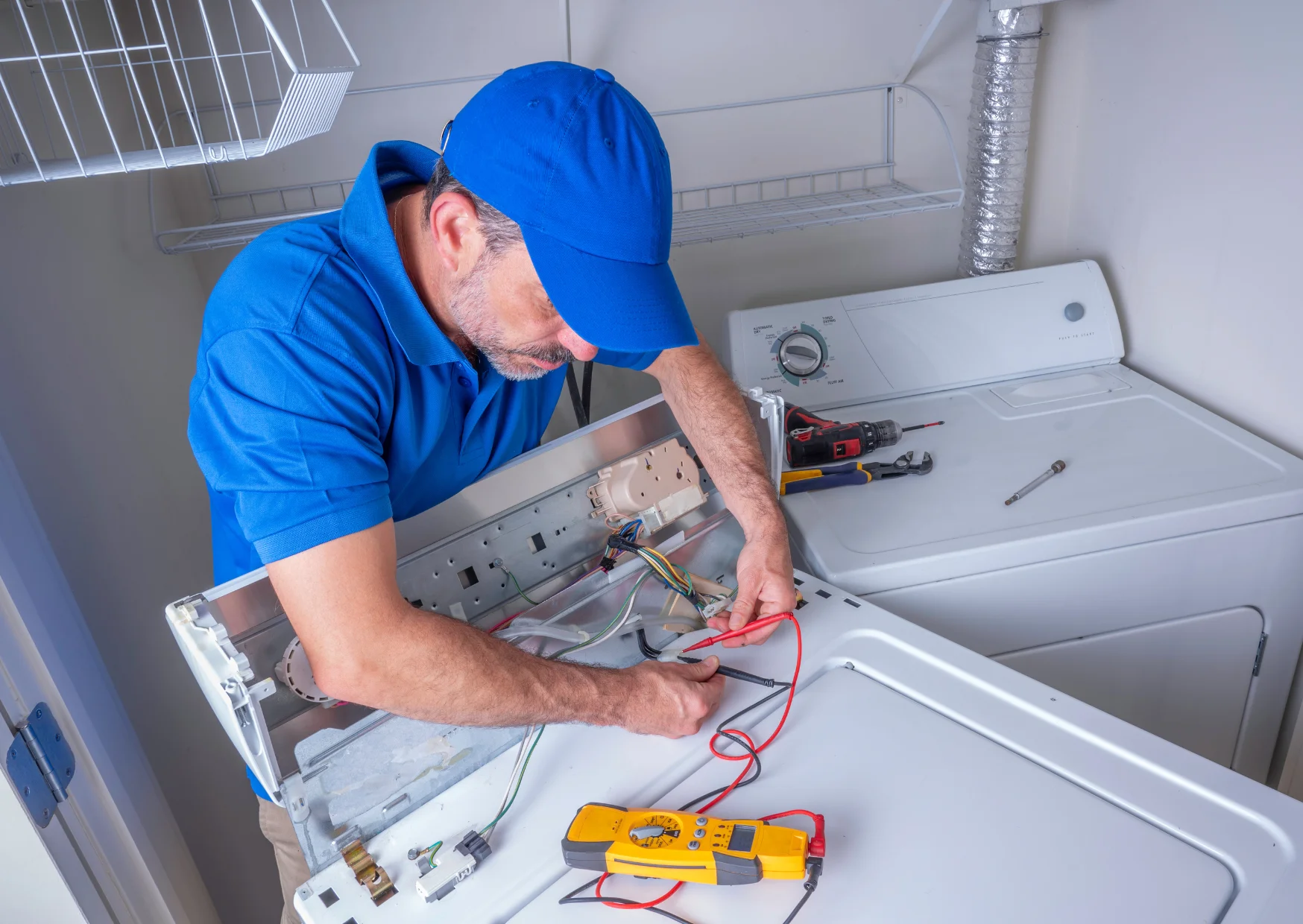
Remanufacturing is the process of restoring used products to a like new condition. Unlike simple repairs, remanufacturing involves carefully inspecting, disassembling, cleaning and rebuilding products, so they meet the same performance standards as newly manufactured items.
Where necessary, worn or damaged components are replaced before the product is thoroughly tested and returned to the market.
The result is a high-quality product with many years of life still ahead of it – while using significantly fewer raw materials than manufacturing from scratch.
What products can be remanufactured?
Many products are suitable for remanufacturing, including:
- Vehicle engine and transmissions
- Heavy machinery and agricultural equipment
- Industrial pumps and motors
- Electronics and IT equipment
- Office furniture
- Medical equipment
- Printer components
As technology advances, even more products are being designed with future remanufacturing in mind.
Why is remanufacturing important?
Reduces waste
Every product that is remanufactured is one less product sent to landfill. Instead of disposing of valuable materials, they remain in use for much longer.
Conserves valuable resources
Manufacturing new products requires raw materials, water, and energy. By reusing existing components wherever possible, remanufacturing reduces demand for these finite resources.
Lower Emissions
Producing a remanufactured product generally uses less energy than manufacturing an entirely new one, helping reduce greenhouse gas emissions.
Supports local jobs
Remanufacturing often relies on skilled local workers to inspect, repair and rebuild products, creatin employment opportunities and strengthen regional industries.
Remanufacturing in the RAMJO Region
The Riverina and Murray region has a long history of manufacturing, engineering, and innovation. As businesses embrace circular economy principles, remanufacturing presents an exciting opportunity to create value from materials already in circulation while reducing waste.
The REMade in Riverina Murray campaign showcases businesses that are finding innovative ways to recover resources, extend product life, and support a more circular regional economy. By highlighting local success stories, the campaign demonstrates that sustainability and economic growth can go hand in hand.
Whether its rebuilding machinery, refurbishing equipment or creating new products from recovered materials, local businesses are proving that waste can become a valuable resource.
A Growing Opportunity for Business
As demand for sustainable products increases, remanufacturing is becoming an increasingly attractive option for businesses looking to reduce costs, improve resource efficiency and meet customer expectations.
It also supports Australia’s transition towards a circular economy by keeping materials in use for longer and reducing reliance on virgin resources.
Businesses don’t need to completely reinvent their operations to get started. Small changes – such as designing products for repair, offering refurbishment services or recovering used components – can all contribute to a more circular business model.
Looking Ahead
Remanufacturing is more than repairing old products – its about recognizing the value that already exists in the materials and products we use every day.
By embracing remanufacturing, businesses can reduce waste, create new opportunities, and contribute to a stronger, more sustainable regional economy.
As initiatives like REMade in Riverina Murray continue to grow, remanufacturing will play an increasingly important role in building resilient businesses and communities across the region.
Hear from the CEO Ben Lazzaro of Australian Made discuss the launch of Remade in Riverina Murray
https://open.spotify.com/show/033EodGz7R2xaaQ4kwkeF0?si=efe71c6502c3443
To learn more about the ReMade in Riverina Murray visit Recognising manufacturing excellence in the Riverina Murray – The Australian Made Campaign
Ready to see what the network can do for your business?
Get your business listed in the Circular Connect directory — free, and open for submissions now.

Most popular
Don’t miss what’s next
New articles, case studies, and practical guides — delivered to your inbox.
Discover more
Never miss what's next
Sign up to our mailing list to stay connected on events and news from Circular Connect

See who's already in the region
Join the map directory and browse other businesses

Learn more
Explore what other businesses have achieved and learn more about the circular economy


